
Which coffee machine to choose: portafilter, super-automatic or a station
Three equipment classes are three different business models. The difference is not the brand — it is who makes the drink, what menu you can afford and what ownership costs. An honest breakdown.
The short version
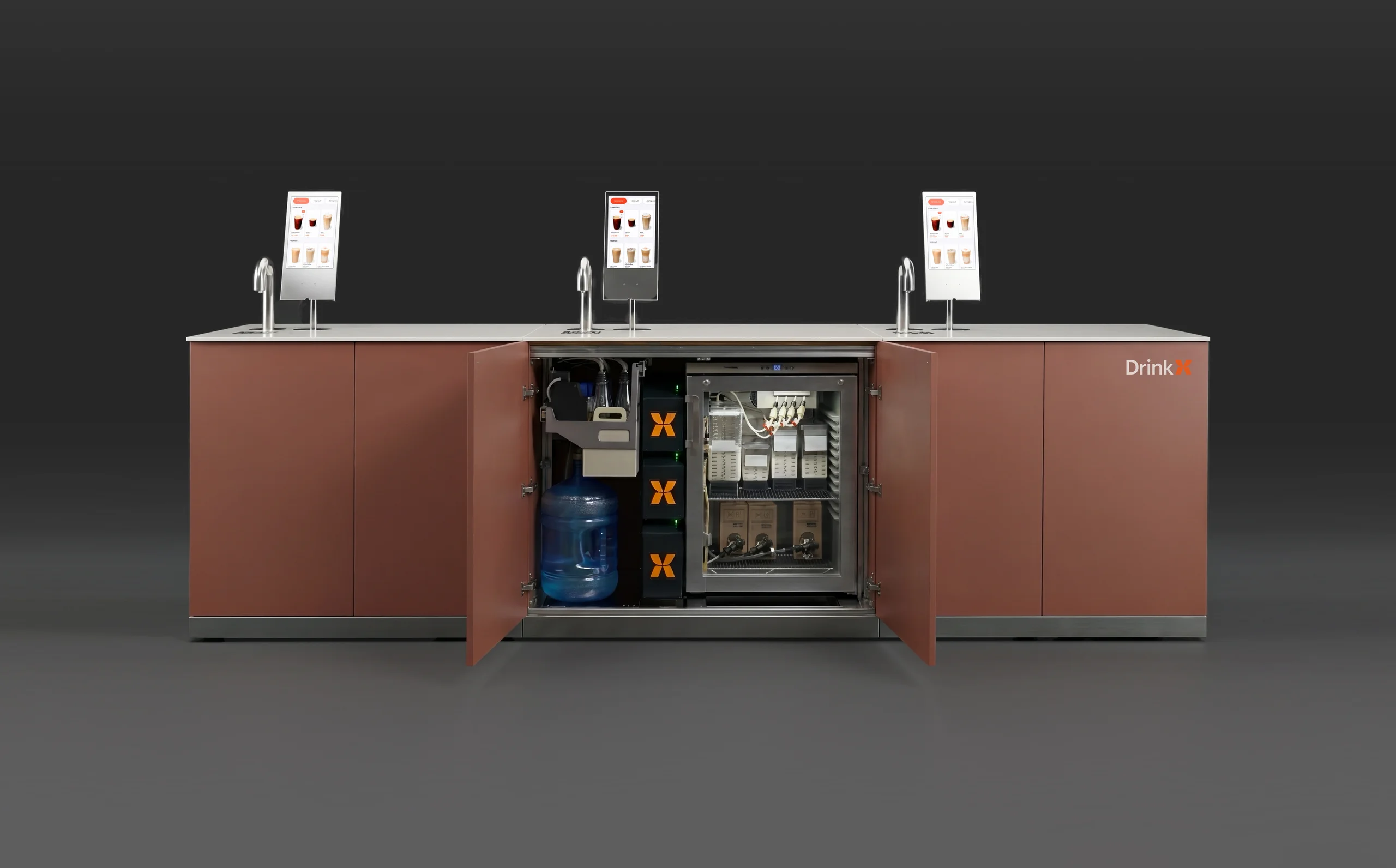
A portafilter machine is about the barista: maximum craft and taste control, but every drink is made by a person, and without them the location stops. A super-automatic makes consistent bean coffee at the push of a button, but you still need staff nearby, and the menu is usually limited to milk and basics. The DrinkX self-service station is the unattended format: a drink in ~30 seconds, up to 10 kinds of milk and 10 syrups, telemetry and an identical cup at every location. The choice is decided not by taste in a vacuum but by your format: who makes the drinks and what you earn on.
Three classes — one table
Classes vary a lot inside (a super-automatic can cost ₽300k or ₽3M), so category rows say “typically”. Exact figures — only for DrinkX.
When to choose which
Portafilter — if
- The concept is a craft coffee shop where taste and serving decide
- The barista is part of the product, not a cost line
- Traffic is moderate and guests will wait for their cappuccino
Super-automatic — if
- A café, restaurant or office: staff is nearby
- Freshly ground beans matter, without depending on a barista
- A basic drinks menu is enough
DrinkX station — if
- The location must run self-service, with no one at the machine
- You need menu breadth: milks, syrups, seasonal drinks across the network
- Speed on traffic and a CAPEX-free start matter — rent from ₽280,000/mo
Frequently asked questions
Which coffee machine should you choose for a self-service coffee point?
A portafilter machine is out by definition — it needs a barista. A super-automatic can work in self-service, but payment and unattended mode are usually added via third-party solutions, and staff is still needed nearby. The DrinkX station is designed for self-service from the start: the guest gets a drink in ~30 seconds, staff only refill ingredients.
How is a super-automatic different from a self-service station?
A super-automatic is a “coffee at a button” machine for a staffed location: beans, typically 1–2 kinds of milk, syrups by hand. A self-service station is a complete format: menu breadth (DrinkX — up to 10 milks and 10 syrups), network telemetry, unattended operation and an identical cup at every location.
Can you put a portafilter machine in a self-service zone?
No. A portafilter machine requires a barista: grinding, tamping, pulling shots, steaming milk are manual operations. For an unattended format you choose a super-automatic with extra integration or a ready-made self-service station.
Which is cheaper to own — a super-automatic or a station?
It depends on class and format. A super-automatic is a purchase (from hundreds of thousands to ~₽3M for top models) plus separate service and staff on site. The DrinkX station is available by subscription from ₽280,000/mo with installation, service and telemetry — and needs no one at the machine. Only a calculation for your traffic gives the honest answer.
How much faster is a station on traffic?
A DrinkX drink takes ~30 seconds, milk included. On a portafilter machine a milk drink usually takes 1.5–3 minutes by hand; on super-automatics a milk drink cycle typically takes about a minute. At a location with a queue, that difference is revenue.
What if freshly ground beans are critical to the concept?
Then look at super-automatics — that is their strength. DrinkX runs on Bag-in-Box espresso: the upsides are network consistency and minimal maintenance, but it is not fresh grinding. We say this honestly — compare the classes against your concept.
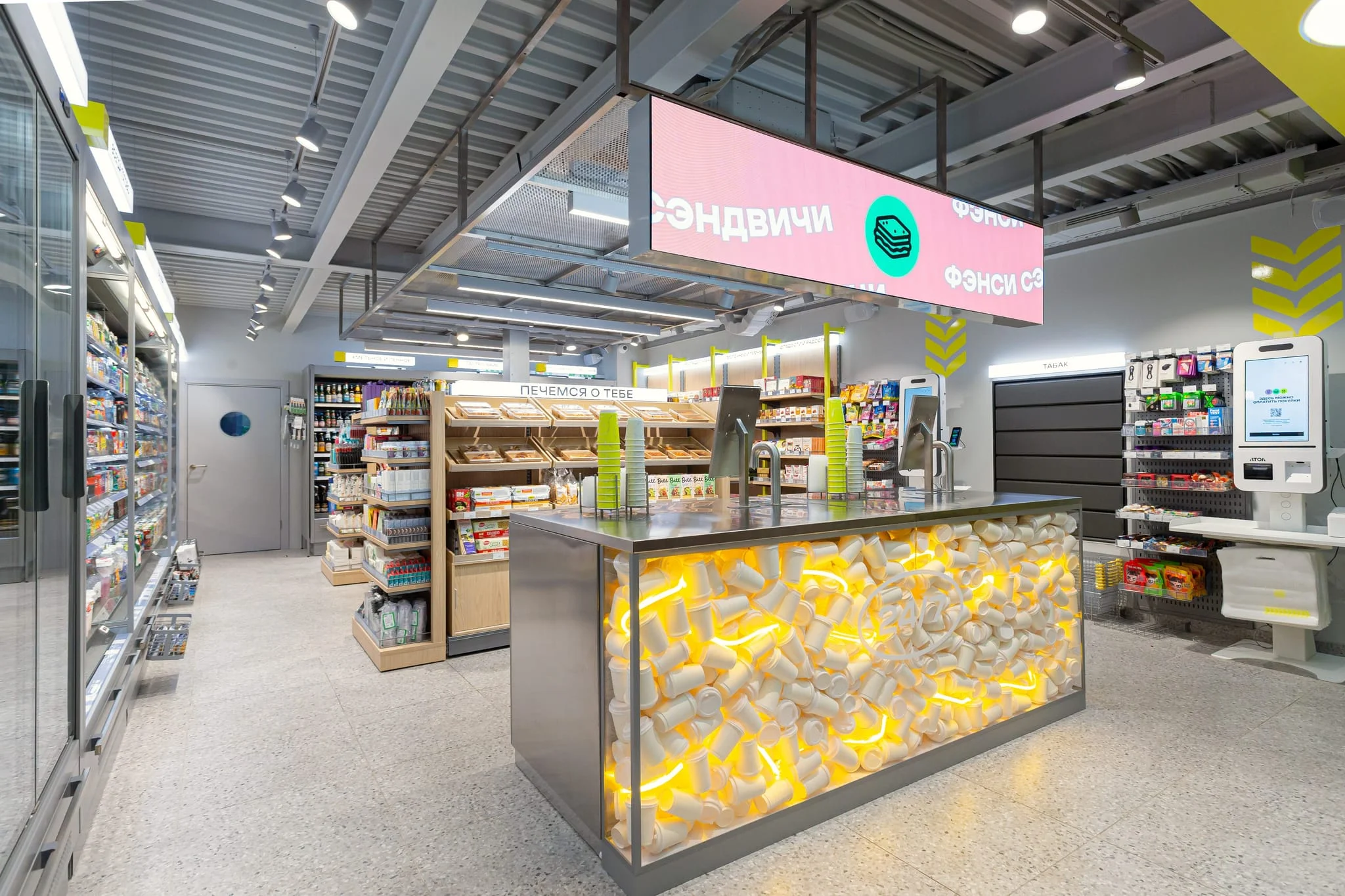
We’ll match an equipment class to your location
Tell us your format and traffic — we’ll honestly say where a super-automatic is enough and where the station wins, and send a calculation.