
Russia's foodservice market is going through hard times. In late 2025 and early 2026, the industry was hit by a wave of closures. In its scale, the situation is already comparable to the pandemic.
In this article, we analyze the events, the latest data and expert opinions. We answer the question: is the 2026 crisis the end for the entire industry, or a source of new opportunities?
The scale of the crisis: the numbers are breaking records
An alarming trend in Moscow
Specialists from the retail real estate department at CMWP have calculated the losses in the capital's market:
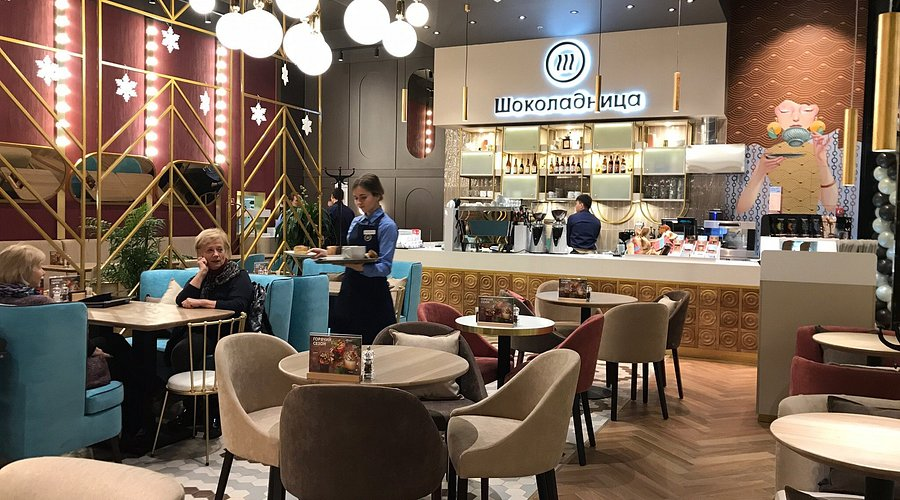
The crisis has affected not only standalone independent projects but also the market's largest players. The Shokoladnitsa chain (18 coffee shops), Rostic's, Yakitoriya and Menza have cut their number of locations. Some well-known brands have shut down operations entirely. Thus, the Khleb Nasushchny chain, the Fornetto pizzeria and the well-known bar chain Dorogaya, Ya Perezvonyu have left the market for good.
Zulfiya Shilyaeva, head of the retail real estate department at CMWP, confirms that it is precisely classic cafés, coffee shops and bakeries that are actively leaving the Moscow market. Experts forecast that by the end of 2026 more than 460 establishments will close in the capital. That figure would exceed the already high level of the previous year by 10%.

St. Petersburg: a change of scenery
Russia's northern capital is also undergoing a major transformation. On the key tourist corridors in the city center, the number of closures has already exceeded the number of new openings by one and a half times.
The vacated spaces don't stay empty for long. Ordinary grocery stores have actively moved into central locations. Their share in central districts has grown noticeably over two years, from 31% to 40%. The main reason is the city's law on "dive bars," which has led to the closure of a huge number of small-footprint concept cafés and gastrobars.

The picture in the regions
According to the Kontur.Fokus platform, more than 35,000 foodservice establishments were wound up in Russia over 2025. That is 10% more than a year earlier.
The establishments that closed across the country included:
The anatomy of the crisis: 4 main reasons behind the mass closures
The cause of the crisis is a whole complex of factors.
1. Financial pressure: rising rents and taxes
Rents have gone up. Owners of commercial premises increasingly favor tenants who can pay more, and restaurateurs are forced either to close down for good or to move to less busy locations
As of 2026, the VAT rate has been raised to 22%. At the same time, the thresholds for applying special tax regimes will gradually be lowered to 10 million rubles per year.
2. Cost inflation and falling margins
The cost of buying ingredients is rising rapidly.
For example, coffee beans have become substantially more expensive — a 30% increase. The average price of a cup of coffee rose by 22% in 2025.
The cost of a cup is also pushed up by rising spending on rent, utilities, staff and equipment maintenance. Combined with the new taxes, this creates a dangerous double-squeeze on margins.
3. The talent shortage
The acute shortage of qualified specialists is intensifying. As restaurateur and HURMA Group co-founder Dmitry Levitsky noted, the talent shortage has existed in the food industry for several years, but it is right now that it has become especially acute.
On average there are 6.3 résumés per job opening in HoReCa, which points to a basic balance in the labor market overall. But if you look at the details, things are not so rosy.
That said, quantity does not always translate into quality. Finding a top-class specialist who will pay back the investment in onboarding them with future profit is getting harder and more expensive by the day.
4. Declining consumer activity
As Sergey Mironov, chairman of the Coordinating Council of the Federation of Restaurateurs and Hoteliers, explained, the market is experiencing a fairly serious downturn. People increasingly prefer ready-to-eat / RTD formats and home cooking. And with low traffic, the business has become unprofitable.
A structural transformation of the market: who will survive in the new reality?
Yes, the foodservice sector's growth rate slowed from 5.52% in 2024 to 4.62% in 2025. At the same time, 48,800 new foodservice businesses were registered over the past year.
Veronika Skorokhodova, an analyst with the Kontur.Fokus project, explained that, besides the reasons described above, the slowdown in growth is linked to market saturation in major cities and a sharp intensification of competition. Experts tie the current situation to businesses shifting toward more flexible formats that require significantly smaller upfront investment.

Retail on the offensive: the threat from RTD
The main reason for the outflow of guests from restaurants has been the serious growth of the ready-to-eat segment in supermarkets.
Stanislav Bogdanov, chairman of the presidium of the Association of Retail Trade Companies (AKORT), stresses that demand for ready-made coffee in classic retail is growing steadily and confidently. The hot beverages category confidently accounts for up to 3% of the entire fast-moving consumer goods market, and in 2025 it became one of its drivers.
A wide assortment, affordable prices and maximum walking-distance availability make retail an extremely attractive alternative to ordinary coffee shops.

Experts expect demand in this segment to remain steady: RTD, and coffee in particular, has become a footfall-driving tool for retail. Incidentally, it is retail that is keeping prices for this drink in check. According to AKORT, the minimum price of whole-bean coffee in early March 2026 fell by almost 14% (to 119 rubles per 100 grams), while ground coffee dropped to 129 rubles per 100 grams.
The coffee segment: from classics to grab&go and automation
Specialists at the 2GIS geoservice have calculated that from January 2025 to January 2026 the number of classic coffee shops in Moscow fell by 12%, dropping to 2,500 establishments. At the same time, the number of coffee-to-go points grew by 5%, reaching 4,100.
Evgeny Golenishchev, founder of the Tochka Chyornogo coffee shop chain, notes that classic coffee shops will be forced to reduce floor space, split the business across several legal entities, optimize procurement and adjust their recipes. For some players this will become a matter of survival.
Demand is shifting toward formats whose model is less sensitive to taxes and other external factors. Automated solutions are coming to the fore.
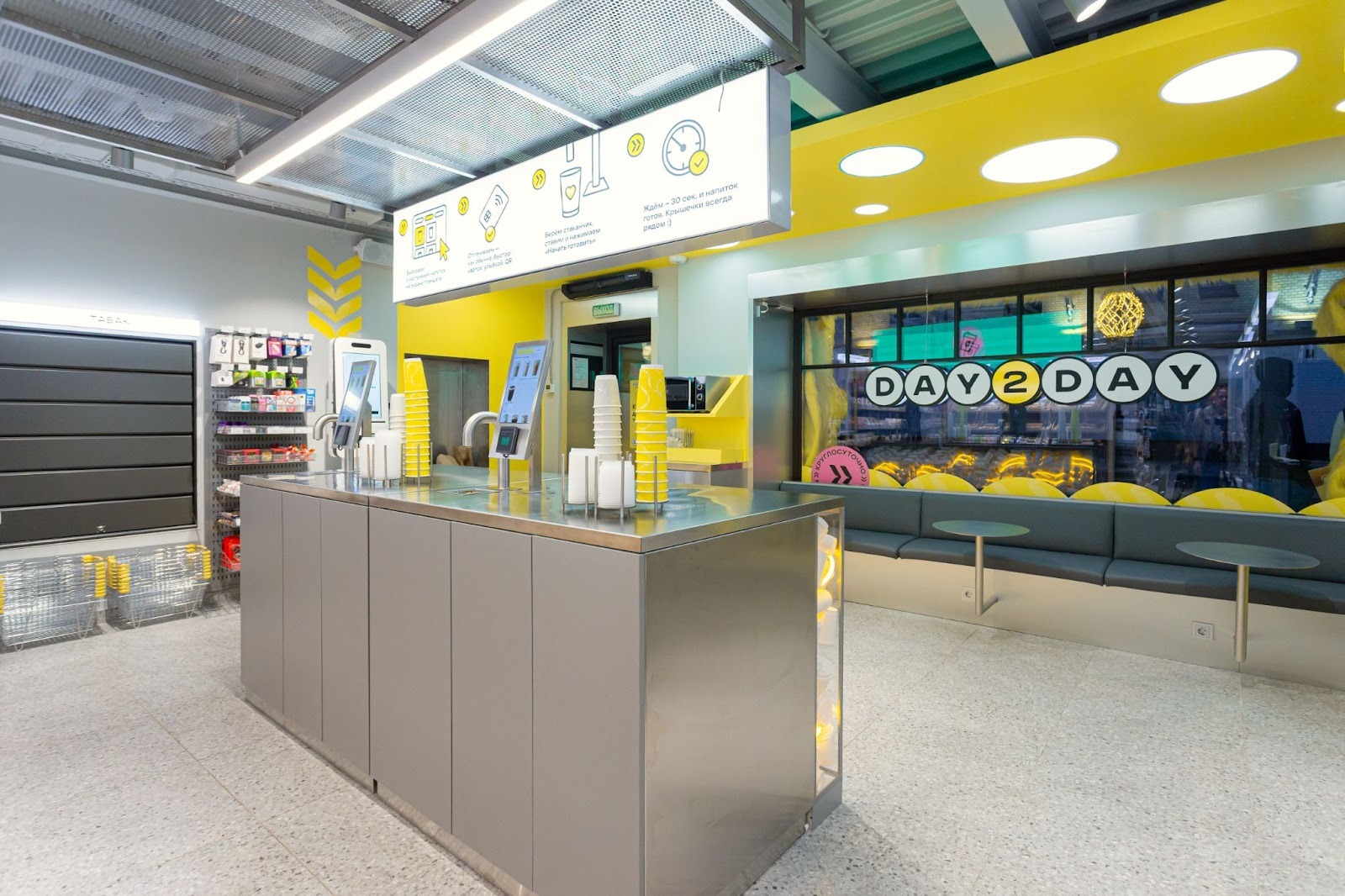
The coffee market is already automating at an accelerated pace:
In 2026, mass automation will begin to penetrate smaller projects as well. Experts are confident that without it, withstanding the extremely high competitive density and increased operating costs will be difficult.
A tech-driven answer: DrinkX solutions
The market demands fundamentally new approaches. The DrinkX team sees this trend. We effectively help retail, gas stations, HoReCa and QSR chains generate profit and simplify their operations. We offer a solution at the intersection of innovation, consistent quality and a unique user experience.

DrinkX is the world's first beverage platform that includes:
DrinkX's mission is to give businesses a reliable technology that makes it possible to prepare any drink quickly and automatically without any loss of taste or quality.
📌 Growing your business and looking for a ready-made automated solution? Get in touch with us! We're open to partnership. We'll answer all your questions.
👉 Want to stay in the loop and get more insights from the experts? Subscribe to the DrinkX Telegram channel.
We share news about our team, product, case studies and the industry.
How this works on the under-counter station — on the home page; short answers on installation, water and service are in the Short answers section.